Цитаты
281512
Неужели поддаться смерти легче, чем жизни?
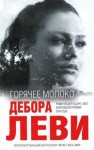
Молодая героиня София, сменившая профессию антрополога на работу официантки, приезжает с больной матерью Розой в испанский городок. Между хрупкой и не уверенной в собственном будущем Софией и властной Розой намечается конфликт: Роза относится к дочери как к служанке и недовольна ее пассивностью и холодностью. Личная драма дочери постепенно перерастает в нечто большее: Испания превращается в мифический берег, с медузами, таинственными целителями, странными предзнаменованиями. «Горячее молоко» —...
I confess that I am often lost in all the dimensions of time, that the past sometimes feels nearer than the present and I often fear the future has already happened.
Молодая героиня София, сменившая профессию антрополога на работу официантки, приезжает с больной матерью Розой в испанский городок. Между хрупкой и не уверенной в собственном будущем Софией и властной Розой намечается конфликт: Роза относится к дочери как к служанке и недовольна ее пассивностью и холодностью. Личная драма дочери постепенно перерастает в нечто большее: Испания превращается в мифический берег, с медузами, таинственными целителями, странными предзнаменованиями. «Горячее молоко» —...
Anything covered is always interesting. There is never nothing beneath something that is covered.
Молодая героиня София, сменившая профессию антрополога на работу официантки, приезжает с больной матерью Розой в испанский городок. Между хрупкой и не уверенной в собственном будущем Софией и властной Розой намечается конфликт: Роза относится к дочери как к служанке и недовольна ее пассивностью и холодностью. Личная драма дочери постепенно перерастает в нечто большее: Испания превращается в мифический берег, с медузами, таинственными целителями, странными предзнаменованиями. «Горячее молоко» —...
“While there are certainly some irksome aspects to school,” he conceded after a moment, “I think you will find to your eventual delight that the experience has broadened your horizons.”Nina looked up.“What do you mean by that?”“What do I mean by what?”“By broadened your horizons.”“By broadening your horizons,” he ventured, “what I meant is that education will give you a sense of the world’s scope, of its wonders, of its many and varied ways of life.”“Wouldn’t travel achieve that more effectively?”“Travel?”“We are talking about horizons, aren’t we? That horizontal line at the limit of sight? Rather than sitting in orderly rows in a schoolhouse, wouldn’t one be better served by working her way toward an actual horizon, so that she could see what lay beyond it? That’s what Marco Polo did when he traveled to China. And what Columbus did when he traveled to America. And what Peter the Great did when he traveled through Europe incognito!”

Быть поэтом опасно – особенно после революции. Граф Александр Ростов в 1922-м попадает под трибунал за давно написанное стихотворение. Вместо высшей меры наказания графа отправляют в крайне необычную ссылку – в отель «Метрополь», который он не имеет права покидать. Совсем. Владелец большого поместья, никогда в своей жизни не работавший, теперь граф Ростов должен приспосабливаться и выживать в новых условиях, наблюдая за самыми страшными, поворотными событиями в нашей истории. Постепенно Ростов...
Perhaps he imagined that the perfect dish would leap off the page and identify itself by name. But for a hopeful young man trying to impress a serious young woman, the menu of the Piazza was as perilous as the Straits of Messina. On the left was a Scylla of lower-priced dishes that could suggest a penny-pinching lack of flair; and on the right was a Charybdis of delicacies that could empty one’s pockets while painting one pretentious. The young man’s gaze drifted back and forth between these opposing hazards.
Быть поэтом опасно – особенно после революции. Граф Александр Ростов в 1922-м попадает под трибунал за давно написанное стихотворение. Вместо высшей меры наказания графа отправляют в крайне необычную ссылку – в отель «Метрополь», который он не имеет права покидать. Совсем. Владелец большого поместья, никогда в своей жизни не работавший, теперь граф Ростов должен приспосабливаться и выживать в новых условиях, наблюдая за самыми страшными, поворотными событиями в нашей истории. Постепенно Ростов...
To be a step ahead in matters of romance requires constant vigilance. If one hopes to make a successful advance, one must be mindful of every utterance, attend to every gesture, and take note of every look. In other words, to be a step ahead in romance is exhausting. But to be a step behind? To be seduced? Why, that was a matter of leaning back in one’s chair, sipping one’s wine, and responding to a query with the very first thought that has popped into one’s head.
Быть поэтом опасно – особенно после революции. Граф Александр Ростов в 1922-м попадает под трибунал за давно написанное стихотворение. Вместо высшей меры наказания графа отправляют в крайне необычную ссылку – в отель «Метрополь», который он не имеет права покидать. Совсем. Владелец большого поместья, никогда в своей жизни не работавший, теперь граф Ростов должен приспосабливаться и выживать в новых условиях, наблюдая за самыми страшными, поворотными событиями в нашей истории. Постепенно Ростов...
“One must make ends meet,” confirmed Audrius matter-of-factly, “or meet one’s end.”
Быть поэтом опасно – особенно после революции. Граф Александр Ростов в 1922-м попадает под трибунал за давно написанное стихотворение. Вместо высшей меры наказания графа отправляют в крайне необычную ссылку – в отель «Метрополь», который он не имеет права покидать. Совсем. Владелец большого поместья, никогда в своей жизни не работавший, теперь граф Ростов должен приспосабливаться и выживать в новых условиях, наблюдая за самыми страшными, поворотными событиями в нашей истории. Постепенно Ростов...
Yes, exile was as old as mankind. But the Russians were the first people to master the notion of sending a man into exile at home.As early as the eighteenth century, the Tsars stopped kicking their enemies out of the country, opting instead to send them to Siberia. Why? Because they had determined that to exile a man from Russia as God had exiled Adam from Eden was insufficient as a punishment; for in another country, a man might immerse himself in his labors, build a house, raise a family. That is, he might begin his life anew.But when you exile a man into his own country, there is no beginning anew. For the exile at home—whether he be sent to Siberia or subject to the Minus Six—the love for his country will not become vague or shrouded by the mists of time. In fact, because we have evolved as a species to pay the utmost attention to that which is just beyond our reach, these men are likely to dwell on the splendors of Moscow more than any Muscovite who is at liberty to enjoy them.
Быть поэтом опасно – особенно после революции. Граф Александр Ростов в 1922-м попадает под трибунал за давно написанное стихотворение. Вместо высшей меры наказания графа отправляют в крайне необычную ссылку – в отель «Метрополь», который он не имеет права покидать. Совсем. Владелец большого поместья, никогда в своей жизни не работавший, теперь граф Ростов должен приспосабливаться и выживать в новых условиях, наблюдая за самыми страшными, поворотными событиями в нашей истории. Постепенно Ростов...
For as a people, we Russians have proven unusually adept at destroying that which we have created.
Every country has its grand canvas, Sasha—the so-called masterpiece that hangs in a hallowed hall and sums up the national identity for generations to come. For the French it is Delacroix’s Liberty Leading the People; for the Dutch, Rembrandt’s Night Watch; for the Americans, Washington Crossing the Delaware; and for we Russians? It is a pair of twins: Nikolai Ge’s Peter the Great Interrogating Alexei and Ilya Repin’s Ivan the Terrible and His Son. For decades, these two paintings have been revered by our public, praised by our critics, and sketched by our diligent students of the arts. And yet, what do they depict? In one, our most enlightened Tsar studies his oldest son with suspicion, on the verge of condemning him to death; while in the other, unflinching Ivan cradles the body of his eldest, having already exacted the supreme measure with a swing of the scepter to the head.
Быть поэтом опасно – особенно после революции. Граф Александр Ростов в 1922-м попадает под трибунал за давно написанное стихотворение. Вместо высшей меры наказания графа отправляют в крайне необычную ссылку – в отель «Метрополь», который он не имеет права покидать. Совсем. Владелец большого поместья, никогда в своей жизни не работавший, теперь граф Ростов должен приспосабливаться и выживать в новых условиях, наблюдая за самыми страшными, поворотными событиями в нашей истории. Постепенно Ростов...
С.127: "...настоящий мудрец празднует все то, что можно праздновать".
Быть поэтом опасно – особенно после революции. Граф Александр Ростов в 1922-м попадает под трибунал за давно написанное стихотворение. Вместо высшей меры наказания графа отправляют в крайне необычную ссылку – в отель «Метрополь», который он не имеет права покидать. Совсем. Владелец большого поместья, никогда в своей жизни не работавший, теперь граф Ростов должен приспосабливаться и выживать в новых условиях, наблюдая за самыми страшными, поворотными событиями в нашей истории. Постепенно Ростов...
С. 163: "..."терпение не называли бы добродетелью, если бы его не было так легко потерять"
Быть поэтом опасно – особенно после революции. Граф Александр Ростов в 1922-м попадает под трибунал за давно написанное стихотворение. Вместо высшей меры наказания графа отправляют в крайне необычную ссылку – в отель «Метрополь», который он не имеет права покидать. Совсем. Владелец большого поместья, никогда в своей жизни не работавший, теперь граф Ростов должен приспосабливаться и выживать в новых условиях, наблюдая за самыми страшными, поворотными событиями в нашей истории. Постепенно Ростов...
С. 462: "из высказываний Монтеня: признак мудрости — это неизменно радостное восприятие жизни".
Быть поэтом опасно – особенно после революции. Граф Александр Ростов в 1922-м попадает под трибунал за давно написанное стихотворение. Вместо высшей меры наказания графа отправляют в крайне необычную ссылку – в отель «Метрополь», который он не имеет права покидать. Совсем. Владелец большого поместья, никогда в своей жизни не работавший, теперь граф Ростов должен приспосабливаться и выживать в новых условиях, наблюдая за самыми страшными, поворотными событиями в нашей истории. Постепенно Ростов...
С.155: "Если вас недооценил друг, значит, ваши дела обстоят не очень хорошо. Настоящий друг должен переоценивать ваши возможности. Друг должен иметь самое высокое мнение о ваших умственных способностях, хорошем вкусе и высокой морали".
Быть поэтом опасно – особенно после революции. Граф Александр Ростов в 1922-м попадает под трибунал за давно написанное стихотворение. Вместо высшей меры наказания графа отправляют в крайне необычную ссылку – в отель «Метрополь», который он не имеет права покидать. Совсем. Владелец большого поместья, никогда в своей жизни не работавший, теперь граф Ростов должен приспосабливаться и выживать в новых условиях, наблюдая за самыми страшными, поворотными событиями в нашей истории. Постепенно Ростов...
Мать делила мужчин на две категории: хорошие делают что-то для тебя, плохие - с тобой.
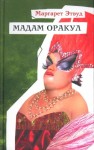
«Свою смерть я спланировала очень тщательно — в отличие от жизни, которая, бессмысленно извиваясь, текла от одного события к другому, вопреки всем моим жалким попыткам вогнать ее хоть в какое-то русло… Фокус в том, чтобы исчезнуть без следа, оставив за собой лишь тень мертвого тела, фантом, в реальности которого никто не сможет усомниться. Сначала я думала, что мне это удалось». Мадам Оракул — кто она? Толстая рыжая девочка, которую хочет зарезать столовым ножом собственная мать, чьих надежд...
Идиоток общество легче принимает, чем идиотов.
«Свою смерть я спланировала очень тщательно — в отличие от жизни, которая, бессмысленно извиваясь, текла от одного события к другому, вопреки всем моим жалким попыткам вогнать ее хоть в какое-то русло… Фокус в том, чтобы исчезнуть без следа, оставив за собой лишь тень мертвого тела, фантом, в реальности которого никто не сможет усомниться. Сначала я думала, что мне это удалось». Мадам Оракул — кто она? Толстая рыжая девочка, которую хочет зарезать столовым ножом собственная мать, чьих надежд...
Если вы оказались в нелепой ситуации, из которой нельзя выйти с честью, притворитесь, что именно этого и хотели.
«Свою смерть я спланировала очень тщательно — в отличие от жизни, которая, бессмысленно извиваясь, текла от одного события к другому, вопреки всем моим жалким попыткам вогнать ее хоть в какое-то русло… Фокус в том, чтобы исчезнуть без следа, оставив за собой лишь тень мертвого тела, фантом, в реальности которого никто не сможет усомниться. Сначала я думала, что мне это удалось». Мадам Оракул — кто она? Толстая рыжая девочка, которую хочет зарезать столовым ножом собственная мать, чьих надежд...
Женщины очень часто совершают одну принципиально важную ошибку. Тратят уйму времени на объяснение собственных чувств, тащат на блюде эмоции и реакции, недостатки и потребности, и любовь, и гнев, и обиды. Как будто от разговоров может быть прок.
«Свою смерть я спланировала очень тщательно — в отличие от жизни, которая, бессмысленно извиваясь, текла от одного события к другому, вопреки всем моим жалким попыткам вогнать ее хоть в какое-то русло… Фокус в том, чтобы исчезнуть без следа, оставив за собой лишь тень мертвого тела, фантом, в реальности которого никто не сможет усомниться. Сначала я думала, что мне это удалось». Мадам Оракул — кто она? Толстая рыжая девочка, которую хочет зарезать столовым ножом собственная мать, чьих надежд...
Свою смерть я спланировала очень тщательно- в отличие от жизни, которая, бессмысленно извиваясь текла от одного события к другому, вопреки всем моим жалким попыткам вогнать ее хоть в какое-то русло.
«Свою смерть я спланировала очень тщательно — в отличие от жизни, которая, бессмысленно извиваясь, текла от одного события к другому, вопреки всем моим жалким попыткам вогнать ее хоть в какое-то русло… Фокус в том, чтобы исчезнуть без следа, оставив за собой лишь тень мертвого тела, фантом, в реальности которого никто не сможет усомниться. Сначала я думала, что мне это удалось». Мадам Оракул — кто она? Толстая рыжая девочка, которую хочет зарезать столовым ножом собственная мать, чьих надежд...
...страстных откровений лучше избегать. То, что скрывается в глубине, пусть там и остается; фасады, как правило, не менее правдивы.
«Свою смерть я спланировала очень тщательно — в отличие от жизни, которая, бессмысленно извиваясь, текла от одного события к другому, вопреки всем моим жалким попыткам вогнать ее хоть в какое-то русло… Фокус в том, чтобы исчезнуть без следа, оставив за собой лишь тень мертвого тела, фантом, в реальности которого никто не сможет усомниться. Сначала я думала, что мне это удалось». Мадам Оракул — кто она? Толстая рыжая девочка, которую хочет зарезать столовым ножом собственная мать, чьих надежд...
"... мы вот уже год как спим вместе и наше решение вступить в брак не следует считать капитуляцией перед светскими условностями..."
«Свою смерть я спланировала очень тщательно — в отличие от жизни, которая, бессмысленно извиваясь, текла от одного события к другому, вопреки всем моим жалким попыткам вогнать ее хоть в какое-то русло… Фокус в том, чтобы исчезнуть без следа, оставив за собой лишь тень мертвого тела, фантом, в реальности которого никто не сможет усомниться. Сначала я думала, что мне это удалось». Мадам Оракул — кто она? Толстая рыжая девочка, которую хочет зарезать столовым ножом собственная мать, чьих надежд...
Однажды две гусеницы бок о бок ползли по дороге. Гусеница-пессимистка сказала: «Говорят, мы скоро окажемся в узком темном месте, где не сможем ни двигаться, ни даже разговаривать. Там нам придет конец». Гусеница-оптимистка возразила: «Это темное место – всего лишь кокон; мы там отдохнем, а после вылетим наружу. У нас будут красивые крылья; мы станем бабочками и помчимся навстречу солнцу»
«Свою смерть я спланировала очень тщательно — в отличие от жизни, которая, бессмысленно извиваясь, текла от одного события к другому, вопреки всем моим жалким попыткам вогнать ее хоть в какое-то русло… Фокус в том, чтобы исчезнуть без следа, оставив за собой лишь тень мертвого тела, фантом, в реальности которого никто не сможет усомниться. Сначала я думала, что мне это удалось». Мадам Оракул — кто она? Толстая рыжая девочка, которую хочет зарезать столовым ножом собственная мать, чьих надежд...
Тех, кто плачет тихо, жалеют. А я всхлипываю, хрюкаю, мои глаза приобретают цвет и форму варёных помидоров, из носу течёт, я сжимаю кулаки, издаю стоны, на меня неловко, а потом и забавно смотреть. Я смешна. Горе моё настоящее, а проявляется как пародия.
«Свою смерть я спланировала очень тщательно — в отличие от жизни, которая, бессмысленно извиваясь, текла от одного события к другому, вопреки всем моим жалким попыткам вогнать ее хоть в какое-то русло… Фокус в том, чтобы исчезнуть без следа, оставив за собой лишь тень мертвого тела, фантом, в реальности которого никто не сможет усомниться. Сначала я думала, что мне это удалось». Мадам Оракул — кто она? Толстая рыжая девочка, которую хочет зарезать столовым ножом собственная мать, чьих надежд...
Питался холодной консервированной фасолью с кетчупом и оставлял за собой тарелки, похожие на миниатюрные сцены убийства.
«Свою смерть я спланировала очень тщательно — в отличие от жизни, которая, бессмысленно извиваясь, текла от одного события к другому, вопреки всем моим жалким попыткам вогнать ее хоть в какое-то русло… Фокус в том, чтобы исчезнуть без следа, оставив за собой лишь тень мертвого тела, фантом, в реальности которого никто не сможет усомниться. Сначала я думала, что мне это удалось». Мадам Оракул — кто она? Толстая рыжая девочка, которую хочет зарезать столовым ножом собственная мать, чьих надежд...
По моему опыту, искренность и разговоры о чувствах ведут только к одному. К катастрофе.
«Свою смерть я спланировала очень тщательно — в отличие от жизни, которая, бессмысленно извиваясь, текла от одного события к другому, вопреки всем моим жалким попыткам вогнать ее хоть в какое-то русло… Фокус в том, чтобы исчезнуть без следа, оставив за собой лишь тень мертвого тела, фантом, в реальности которого никто не сможет усомниться. Сначала я думала, что мне это удалось». Мадам Оракул — кто она? Толстая рыжая девочка, которую хочет зарезать столовым ножом собственная мать, чьих надежд...
Про побег от реальности я знаю все – я на этом выросла.
«Свою смерть я спланировала очень тщательно — в отличие от жизни, которая, бессмысленно извиваясь, текла от одного события к другому, вопреки всем моим жалким попыткам вогнать ее хоть в какое-то русло… Фокус в том, чтобы исчезнуть без следа, оставив за собой лишь тень мертвого тела, фантом, в реальности которого никто не сможет усомниться. Сначала я думала, что мне это удалось». Мадам Оракул — кто она? Толстая рыжая девочка, которую хочет зарезать столовым ножом собственная мать, чьих надежд...